Buy nicoleguihaume.eu ?
We are moving the project
nicoleguihaume.eu .
Are you interested in purchasing the domain
nicoleguihaume.eu ?
domain@kv-gmbh.de · 0541-91531010
Buy nicoleguihaume.eu ?
What are the differences between metal oxides and nonmetal oxides?
Metal oxides are compounds formed between a metal and oxygen, while nonmetal oxides are compounds formed between a nonmetal and oxygen. Metal oxides tend to be basic in nature, meaning they react with acids to form salts and water. Nonmetal oxides, on the other hand, tend to be acidic in nature, meaning they react with bases to form salts and water. Additionally, metal oxides typically have higher melting and boiling points compared to nonmetal oxides. **
What are the properties of metal oxides and nonmetal oxides?
Metal oxides are typically basic in nature, meaning they react with acids to form salts and water. They are also typically solid at room temperature and have high melting and boiling points. Nonmetal oxides, on the other hand, are usually acidic in nature, meaning they react with bases to form salts and water. They are often gases or liquids at room temperature and have lower melting and boiling points compared to metal oxides. Both types of oxides play important roles in various chemical reactions and industrial processes. **


Similar search terms for Oxides
Top-Angebote
Products related to Oxides:
-
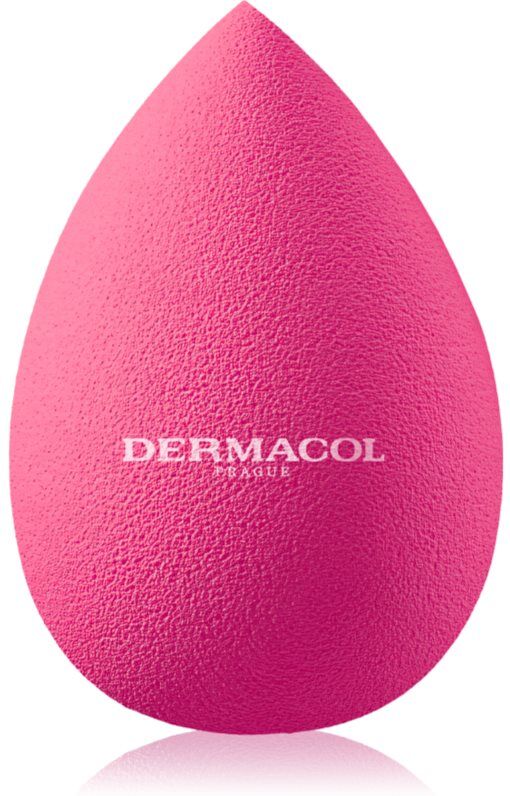
Dermacol Accessories Beauty Blender teardrop makeup sponge 1 pcDermacol Accessories Beauty Blender, 1 pc, Sponges for Women, When you’re applying foundation with your fingers or a brush, do you get the feeling that you’re not achieving the results you’d like? Try an alternative to traditional brushes. The Dermacol Accessories Beauty Blender makeup sponge provides flawless application of foundation for a professional-looking result. It will help you cover all skin imperfections with a more natural-looking result than you could ever achieve with your fingers. Its shape adapts to the contours of every face, applying product into every nook and cranny, with its ultra-soft surface ensuring an even and precise application without streaks or absorbing too much makeup. Characteristics: comfortable to hold in the hand applies cream or liquid makeup precisely the result is a smooth finish smooth foam applicator How to use: Dampen the sponge before use. Apply foundation, base or concealer to the sponge, then spread lightly across the face.3,30 £*Shipping: 3,99 £Secure redirect to the provider
-
Saro Lifestyle "Sheer Beauty Embroidered Table Runner - 16""x72"""Enhance your dining table with the Sheer Beauty Embroidered Table Runner. This elegant piece adds texture and style to your setup, making every meal feel like a special occasion.29,81 $*Shipping: 0,00 $Secure redirect to the provider



-
What are the differences between metal oxides and non-metal oxides?
Metal oxides are compounds formed between a metal and oxygen, while non-metal oxides are compounds formed between a non-metal and oxygen. Metal oxides tend to be basic in nature, meaning they react with acids to form salts and water, while non-metal oxides tend to be acidic, reacting with bases to form salts and water. Additionally, metal oxides typically have higher melting and boiling points compared to non-metal oxides. **
-
What is the difference between metal oxides and nonmetal oxides in chemistry?
Metal oxides are compounds formed between a metal and oxygen, while nonmetal oxides are compounds formed between a nonmetal and oxygen. Metal oxides tend to be basic in nature, meaning they react with acids to form salts and water. Nonmetal oxides, on the other hand, tend to be acidic in nature, meaning they react with bases to form salts and water. This difference in reactivity is due to the different chemical properties of metals and nonmetals. **
-
What is the difference between metal oxides and non-metal oxides in chemistry?
Metal oxides are compounds formed by the combination of a metal with oxygen, while non-metal oxides are compounds formed by the combination of a non-metal with oxygen. Metal oxides are generally basic in nature, meaning they react with acids to form salts and water. Non-metal oxides, on the other hand, are generally acidic in nature, meaning they react with bases to form salts and water. This difference in reactivity is due to the difference in electronegativity between metals and non-metals. **
-
Are non-metal oxides gaseous?
Non-metal oxides can exist in various states, including solid, liquid, and gaseous forms. Some non-metal oxides, such as carbon dioxide (CO2) and sulfur dioxide (SO2), are gaseous at room temperature and pressure. These gaseous non-metal oxides can play important roles in atmospheric chemistry and environmental processes. **


Where are metal oxides used?
Metal oxides are used in a wide range of applications, including as pigments in paints and ceramics, as catalysts in chemical reactions, and as components in electronic devices such as semiconductors and solar cells. They are also used in the production of metals, as abrasives in grinding and polishing, and as additives in materials such as glass and rubber. Additionally, metal oxides are utilized in the manufacturing of batteries and fuel cells, and in environmental applications such as wastewater treatment and air purification. **
What are oxides in chemistry?
Oxides in chemistry are compounds that contain oxygen combined with another element. They can be formed by the reaction of oxygen with metals, nonmetals, or metalloids. Oxides can be acidic, basic, or amphoteric depending on the nature of the other element they are combined with. They play a crucial role in various chemical processes and are important in industries such as metallurgy, ceramics, and electronics. **
Top-Angebote
Products related to Oxides:
-
Uplift Essentials Sequin Style Pet Bow Tie Set High Fashion Grooming Accessories For Dogs & Cats (50 Piece Bulk Pack) Sequin Style Pet Bow Tie Set High Fashion Grooming Accessories For Dogs & Cats (50 Piece Bulk Pack)Elevate your pets aesthetic for any special occasion with our Professional Sequin Style Pet Bow Tie Set. Specifically engineered for highvisibility fashion and professional grooming finishes, this 50piece collection features a stunning array of...74,97 $*Shipping: 0,00 $Secure redirect to the provider
-
Dermacol Accessories Beauty Blender applicator set 3 pcDermacol Accessories Beauty Blender, 3 pc, Sponges for Women, When you’re applying foundation with your fingers or a brush, do you get the feeling that you’re not achieving the results you’d like? Try an alternative to traditional brushes. The Dermacol Accessories Beauty Blender makeup sponge provides flawless application of foundation for a professional-looking result. It will help you cover all skin imperfections with a more natural-looking result than you could ever achieve with your fingers. Its shape adapts to the contours of every face, applying product into every nook and cranny, with its ultra-soft surface ensuring an even and precise application without streaks or absorbing too much makeup. The set contains: makeup sponge 1 pc sponges mini 2 pc Characteristics: comfortable to hold in the hand applies cream or liquid makeup precisely the result is a smooth finish smooth foam applicator How to use: Dampen the sponge before use. Apply foundation, base or concealer to the sponge, then spread lightly across the face.4,60 £*Shipping: 3,99 £Secure redirect to the provider
-
Dermacol Accessories Beauty Blender teardrop makeup sponge 1 pcDermacol Accessories Beauty Blender, 1 pc, Sponges for Women, When you’re applying foundation with your fingers or a brush, do you get the feeling that you’re not achieving the results you’d like? Try an alternative to traditional brushes. The Dermacol Accessories Beauty Blender makeup sponge provides flawless application of foundation for a professional-looking result. It will help you cover all skin imperfections with a more natural-looking result than you could ever achieve with your fingers. Its shape adapts to the contours of every face, applying product into every nook and cranny, with its ultra-soft surface ensuring an even and precise application without streaks or absorbing too much makeup. Characteristics: comfortable to hold in the hand applies cream or liquid makeup precisely the result is a smooth finish smooth foam applicator How to use: Dampen the sponge before use. Apply foundation, base or concealer to the sponge, then spread lightly across the face.3,30 £*Shipping: 3,99 £Secure redirect to the provider
-
Saro Lifestyle "Sheer Beauty Embroidered Table Runner - 16""x72"""Enhance your dining table with the Sheer Beauty Embroidered Table Runner. This elegant piece adds texture and style to your setup, making every meal feel like a special occasion.29,81 $*Shipping: 0,00 $Secure redirect to the provider
-
What are the differences between metal oxides and nonmetal oxides?
Metal oxides are compounds formed between a metal and oxygen, while nonmetal oxides are compounds formed between a nonmetal and oxygen. Metal oxides tend to be basic in nature, meaning they react with acids to form salts and water. Nonmetal oxides, on the other hand, tend to be acidic in nature, meaning they react with bases to form salts and water. Additionally, metal oxides typically have higher melting and boiling points compared to nonmetal oxides. **
-
What are the properties of metal oxides and nonmetal oxides?
Metal oxides are typically basic in nature, meaning they react with acids to form salts and water. They are also typically solid at room temperature and have high melting and boiling points. Nonmetal oxides, on the other hand, are usually acidic in nature, meaning they react with bases to form salts and water. They are often gases or liquids at room temperature and have lower melting and boiling points compared to metal oxides. Both types of oxides play important roles in various chemical reactions and industrial processes. **
-
What are the differences between metal oxides and non-metal oxides?
Metal oxides are compounds formed between a metal and oxygen, while non-metal oxides are compounds formed between a non-metal and oxygen. Metal oxides tend to be basic in nature, meaning they react with acids to form salts and water, while non-metal oxides tend to be acidic, reacting with bases to form salts and water. Additionally, metal oxides typically have higher melting and boiling points compared to non-metal oxides. **
-
What is the difference between metal oxides and nonmetal oxides in chemistry?
Metal oxides are compounds formed between a metal and oxygen, while nonmetal oxides are compounds formed between a nonmetal and oxygen. Metal oxides tend to be basic in nature, meaning they react with acids to form salts and water. Nonmetal oxides, on the other hand, tend to be acidic in nature, meaning they react with bases to form salts and water. This difference in reactivity is due to the different chemical properties of metals and nonmetals. **
Similar search terms for Oxides
-
Tiny Tots Teens Trends Infant Hair Accessories, Baby Girl Headbands Lot, Elastic Hair Bands, Newborn Gift Bows, Kids Turban Headband Set style 1Looking for the perfect gift for a newborn girl Look no further than this 3 pcs Baby Girl Headbands Lot, a beautifully curated collection of elastic hair bands, turban headbands, and infant hair accessories designed to make your little one shine...29,97 $*Shipping: 0,00 $Secure redirect to the provider
-
Tiny Tots Teens Trends Infant Hair Accessories, Baby Girl Headbands Lot, Elastic Hair Bands, Newborn Gift Bows, Kids Turban Headband Set style 13Looking for the perfect gift for a newborn girl Look no further than this 3 pcs Baby Girl Headbands Lot, a beautifully curated collection of elastic hair bands, turban headbands, and infant hair accessories designed to make your little one shine...29,97 $*Shipping: 0,00 $Secure redirect to the provider
-
What is the difference between metal oxides and non-metal oxides in chemistry?
Metal oxides are compounds formed by the combination of a metal with oxygen, while non-metal oxides are compounds formed by the combination of a non-metal with oxygen. Metal oxides are generally basic in nature, meaning they react with acids to form salts and water. Non-metal oxides, on the other hand, are generally acidic in nature, meaning they react with bases to form salts and water. This difference in reactivity is due to the difference in electronegativity between metals and non-metals. **
-
Are non-metal oxides gaseous?
Non-metal oxides can exist in various states, including solid, liquid, and gaseous forms. Some non-metal oxides, such as carbon dioxide (CO2) and sulfur dioxide (SO2), are gaseous at room temperature and pressure. These gaseous non-metal oxides can play important roles in atmospheric chemistry and environmental processes. **
-
Where are metal oxides used?
Metal oxides are used in a wide range of applications, including as pigments in paints and ceramics, as catalysts in chemical reactions, and as components in electronic devices such as semiconductors and solar cells. They are also used in the production of metals, as abrasives in grinding and polishing, and as additives in materials such as glass and rubber. Additionally, metal oxides are utilized in the manufacturing of batteries and fuel cells, and in environmental applications such as wastewater treatment and air purification. **
-
What are oxides in chemistry?
Oxides in chemistry are compounds that contain oxygen combined with another element. They can be formed by the reaction of oxygen with metals, nonmetals, or metalloids. Oxides can be acidic, basic, or amphoteric depending on the nature of the other element they are combined with. They play a crucial role in various chemical processes and are important in industries such as metallurgy, ceramics, and electronics. **
* All prices are inclusive of VAT and, if applicable, plus shipping costs. The offer information is based on the details provided by the respective shop and is updated through automated processes. Real-time updates do not occur, so deviations can occur in individual cases. ** Note: Parts of this content were created by AI.